Oncology is the area of medicine focused on the study, diagnosis and treatment of cancer. An Oncologist is a doctor who focuses on treating cancer, and this specialisation covers different areas such as Medical Oncology and Radiation Oncology.
Other medical professionals also play crucial roles in cancer care:
- Surgeons perform operations, e.g. to take biopsies or remove tumours.
- Palliative care specialists manage symptoms for those with incurable cancer.
- General physicians (GPs) can be involved in the initial diagnosis process.
Integrated oncology services
Oncology services can also extend beyond traditional treatments. They may include physiotherapy, acupuncture, massage, dietetics, and psychology. Many oncology teams collaborate with hospices and charities to provide holistic support.
The first oncology appointment: What to expect
The first oncology appointment typically involves discussing your diagnosis, as well as your medical history and potential treatment options. The Oncologist will:
- Explain the type and stage of cancer
- Recommend appropriate treatments
- Outline the goals and potential side effects of treatments
- Address any questions or concerns
Creating a tailored treatment plan
An Oncologist will develop a personalised treatment plan based on the type and stage of cancer, the patient’s health and medical history and the patient’s personal preferences and treatment goals.
Treatment plans may include surgery, radiation, chemotherapy, or palliative care, often involving multiple therapies. For instance, blood cancers might be treated primarily with chemotherapy. In contrast, solid tumours, such as those in the breast, may require a combination of surgery, chemotherapy, and radiation.
The role of personal health in treatment decisions
A patient’s health and personal preferences play a significant role in treatment planning. Every Oncologist considers things like overall health and age, concerns about specific treatments, and the patient’s priority on comfort and quality of life.
Key differences between Medical Oncologists and Radiation Oncologists
Medical Oncologists use various medications to treat cancer:
- Chemotherapy targets and kills cancer cells.
- Hormone Therapy adjusts hormone levels to combat hormone-sensitive cancers.
- Immunotherapy can boost the immune system to fight cancer.
- Targeted Therapy aims to inhibit specific molecules within cancer cells' growth.
Radiation Oncologists use radiation to destroy cancer cells. These treatments are highly focused on minimising damage to healthy tissue.
Harbour’s Oncology team
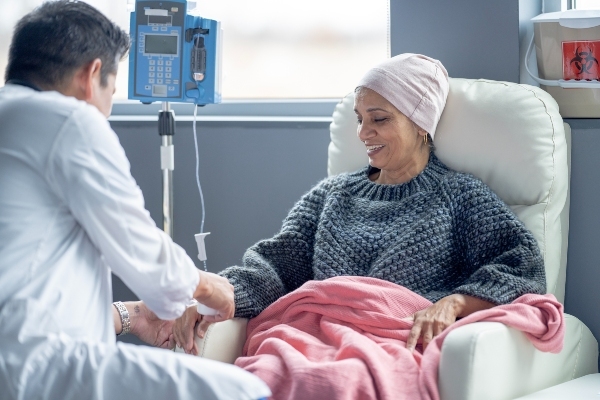
Our team at Harbour is dedicated to delivering oncology treatments such as chemotherapy, targeted therapy, and hormone therapy. We work closely with our patients to reduce treatment side effects and offer supportive care options such as:
- Lymphoedema therapy
- Scalp cooling caps
- Custom exercise and nutrition plans
- Psychological support and therapeutic massage
Additionally, we provide long-term follow-up and rehabilitation to support recovery. Learn more about our oncology team and how we can help you.